
Why Summerville SC Known as The Birthplace of Sweet Tea
Why Summerville, SC Known as The Birthplace of Sweet Tea and What it Means for Your Move to the Lowcountry
If you are considering moving to Summerville, SC, or PCSing to Charleston, SC, you'll quickly learn that this charming town has more than just beautiful azaleas and historic homes. Summerville holds the distinction of being the "Birthplace of Sweet Tea," a title deeply rooted in agricultural history and fiercely championed by its residents.
But why the claim? Sweet tea is, after all, a universal symbol of the American South. The answer lies in a combination of successful tea cultivation, pioneering commercial efforts, and a little piece of local history that predates the beverage’s national popularization. This legacy is not just a quirky fun fact; it speaks volumes about Summerville's commitment to preserving its unique heritage, which is a major draw for families and retirees relocating to the Charleston area.
As a husband-and-wife real estate team, and with my husband being a retired military member, we understand that a move is about finding a community with substance. In Summerville, that substance is steeped in history and Southern hospitality, often best enjoyed over a cold glass of its signature beverage. Join us as we explore the rich history that solidified Summerville’s claim, the "Sweet Tea Trail" that celebrates it, and why this distinctive cultural identity matters when choosing your new Lowcountry home.
The Historical Roots: From Tea Plant to Pinehurst Plantation
Summerville’s claim to the sweet tea crown begins with the earliest attempts to cultivate the tea plant (Camellia sinensis) on American soil.
The First American Tea Experiments
The very first tea plants in the United States were planted nearby in the late 1700s by French botanist André Michaux at what is now Middleton Place Plantation. While this initial effort established that the tea plant could survive in South Carolina’s subtropical climate, it was not commercially viable.
Decades later, in the 1880s, the U.S. government became interested in establishing an independent American tea industry. They chose a site in the Summerville area to establish an experimental tea farm. Though the government’s efforts eventually ceased, the groundwork had been laid, and the idea of growing tea in Summerville was proven feasible. The unique, pine-rich soil and climate of Summerville were ideal.
Dr. Charles Shepard and the Pinehurst Tea Plantation
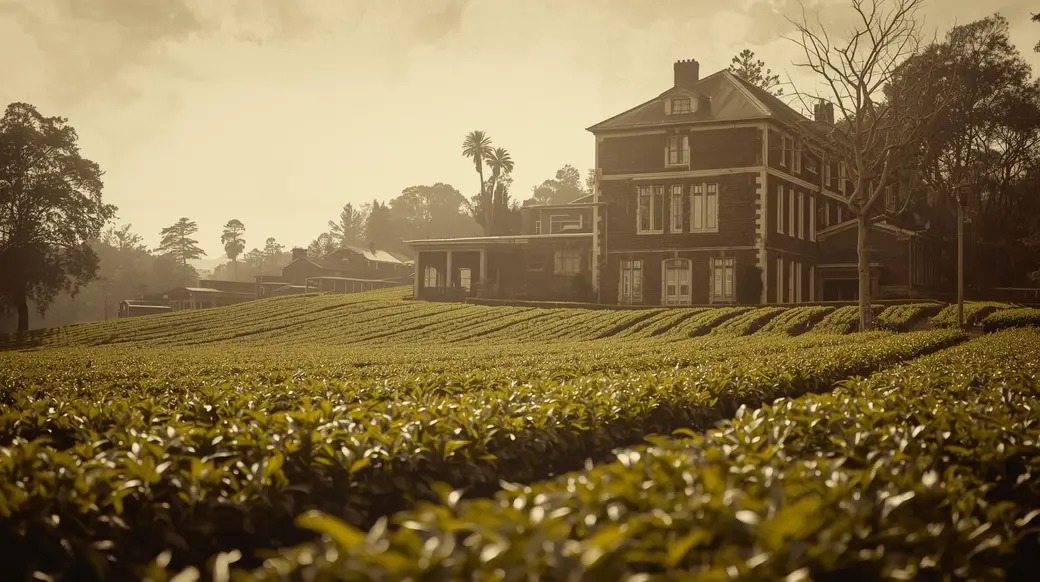
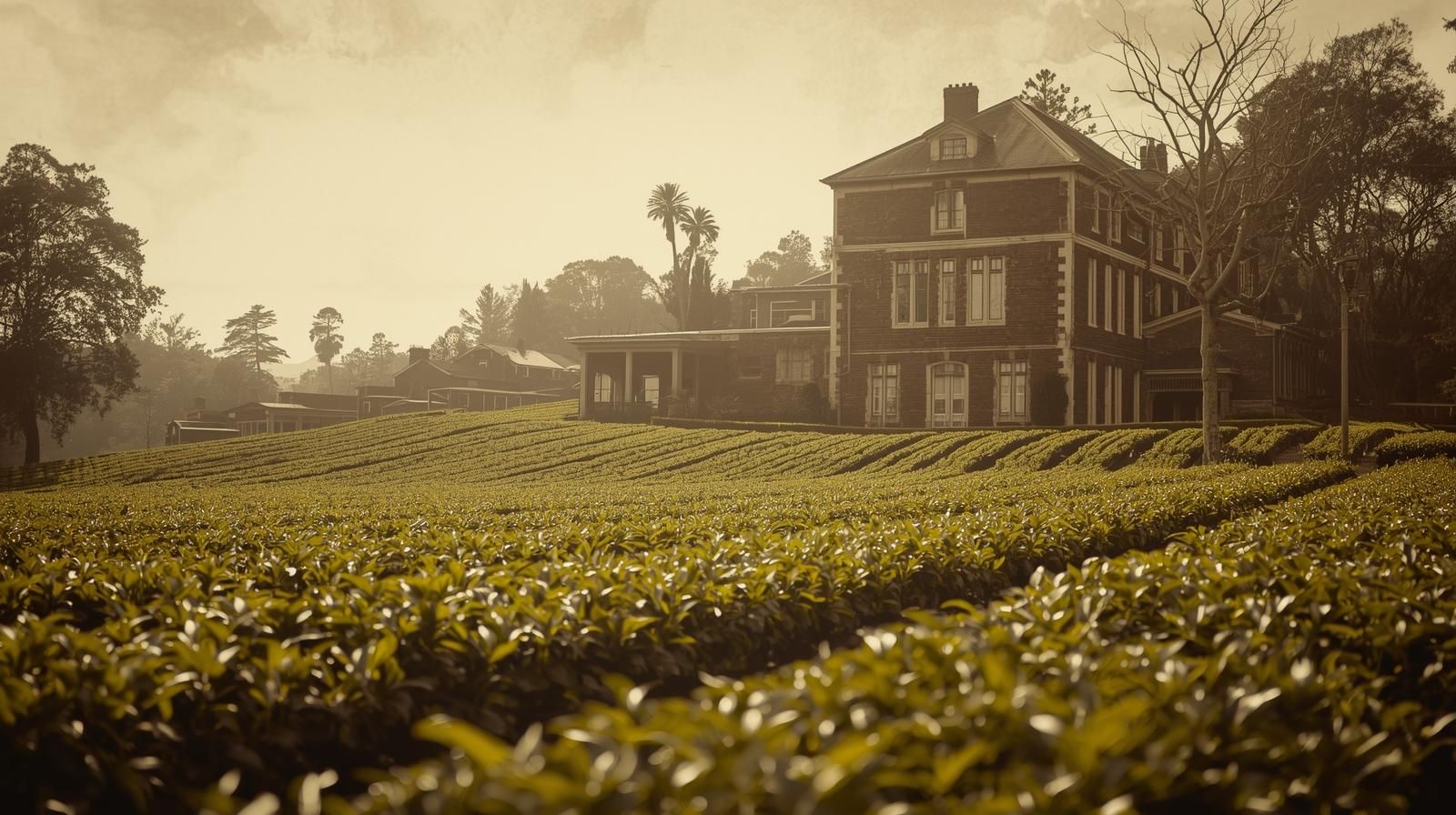
The true turning point in Summerville’s tea history came with Dr. Charles Shepard. A respected chemist, botanist, and professor at the Medical College of South Carolina, Dr. Shepard acquired land in Summerville in 1888, utilizing the experimental plants left behind by the government.
He established the Pinehurst Tea Plantation, dedicating himself to the scientific study and commercial production of American tea. This was not a small-scale operation; it was the first commercially successful tea farm in the United States. Dr. Shepard’s expertise in fertilizers and his commitment to quality, he only harvested the finest, youngest tea leaves, led to a superior product. By the early 1900s, Pinehurst was producing thousands of pounds of tea annually, earning national recognition.
International Acclaim and Presidential Visits
The Pinehurst Tea Plantation put Summerville on the international map when Dr. Shepard's tea won first prize at the 1904 St. Louis World’s Fair. This official recognition established Summerville as the premier location for tea production in America. Tourists, including dignitaries like President Theodore Roosevelt, began visiting the plantation to witness the remarkable operation. This established legacy of successful American tea cultivation, specifically in Summerville, is the first pillar of the town's famous claim.
The Cultural Claim: Iced, Sweetened, and Embraced
While Dr. Shepard established the tea production claim, the "Sweet Tea" title is secured by the cultural and community adoption of the sweetened, iced beverage itself.
Proof Before the Popularization
Food historians often credit the 1904 St. Louis World’s Fair with popularizing iced tea nationally, though likely served unsweetened. However, Summerville locals uncovered historical records that suggest the specific combination of tea, sugar, and ice was being served on a large, public scale in Summerville before the World's Fair.
A discovered receipt from an 1890 Confederate Veterans Reunion in Summerville listed orders for large quantities of tea, sugar, and ice. Local historians deduced that these ingredients were combined by locals to create the now-iconic sweet iced tea, serving it in mass quantities to beat the Lowcountry heat. This historical documentation, showcasing the early, collective consumption of the specific “sweet tea” mixture in the town, is the foundation for the "Birthplace of Sweet Tea" tagline.
The Legacy Lives On: Charleston Tea Garden
After Dr. Shepard's passing in 1915, the Pinehurst Plantation declined, and the fields lay dormant for decades. However, the resilient Camellia sinensis plants survived. In the 1960s, the Lipton Tea Company collected the surviving stock from Summerville’s Pinehurst property and moved them to a research facility on nearby Wadmalaw Island.
This same genetic stock, descended directly from Dr. Shepard’s original Summerville plants, was later used to establish what is today the renowned Charleston Tea Garden. The tea produced there is the Official White House Tea and the Official Hospitality Beverage of South Carolina, preserving Summerville's historical foundation in every cup. The tea plants currently thriving in the only large-scale tea operation in North America are, in essence, Summerville’s children.
Why Summerville, SC Embraced the "Sweet Tea" Identity
In the early 2010s, Summerville officially trademarked the tagline "The Birthplace of Sweet Tea," a move that transformed a piece of local history into a celebrated cultural identity.
The Sweet Tea Trail and Community Celebration
Summerville didn't just claim the title; it built a unique experience around it. The town launched the Sweet Tea Trail, a self-guided experience that encourages visitors and residents to explore the history, culture, and shops that celebrate the beverage.
-
Mason, The World's Largest Sweet Tea: To cement the claim, in 2016, Summerville secured a Guinness World Record for the largest glass of sweet iced tea ever made. The enormous, 15-foot-tall container, affectionately named "Mason," now stands proudly near Town Hall, a testament to the town’s commitment to its title.
-
The Sweet Tea Festival: Held annually, this festival draws thousands, celebrating local food, music, and, of course, all things sweet tea.
This enthusiastic embrace of the title demonstrates a vibrant community spirit and a dedication to cultural tourism, which adds to the quality of life for residents.
The Real Estate Appeal for Moving to Summerville, SC
For those PCSing to Charleston, SC, or simply moving to Summerville, SC, the "Birthplace of Sweet Tea" identity translates directly into real estate value and quality of life:
-
Preserved Charm: A town that champions its history is a town that protects its character. Summerville’s dedication to its heritage is why its historic downtown remains so charming, with preserved homes and a genuine small-town feel despite rapid growth.
-
Community Focus: Events like the Sweet Tea Festival and the emphasis on the Sweet Tea Trail indicate a highly active and engaged local government and chamber of commerce. This translates to more community events, better-maintained public spaces, and a welcoming environment for newcomers.
-
Lowcountry Lifestyle: The sweet tea culture reinforces the quintessential Lowcountry lifestyle, slow-paced, hospitable, and focused on comfortable, front-porch living. For military families seeking a stable, traditional community after years of moving, this stability and charm are invaluable.
Your Lowcountry Home Search: Beyond the Tea
While the story of sweet tea is fascinating, your ultimate decision to buy a home in Summerville rests on practical factors like schools, housing, and the commute to Joint Base Charleston and the Naval Weapons Station.
Summerville offers a unique blend of historical charm and modern suburban amenities. It is famous for its excellent Dorchester School District Two (DD2) schools, which are a primary draw for families moving to the area. Its neighborhoods range from beautifully restored historic homes near Hutchinson Square to modern, master-planned communities with all the amenities.
For those PCSing to Charleston, SC, Summerville provides a slightly longer commute to Joint Base Charleston (JBC) than North Charleston or Goose Creek, but many military families choose it for the superior schools and quality of life. The trade-off for a longer commute is often better educational opportunities and a more established, welcoming suburban environment.
As a husband-and-wife team with military experience, we specialize in helping clients, especially military families, navigate the trade-offs between commute times, school districts, and housing affordability across the entire Lowcountry. We can help you determine if the charm and community spirit of the "Birthplace of Sweet Tea" are the perfect recipe for your next home.
Ready to move to Summerville, SC, and find your own historic or new-construction home in the Birthplace of Sweet Tea? Contact us today for a personalized consultation, and let us use our local knowledge and military relocation experience to guide your search.
Related Resources
Frequently Asked Questions About Summerville, SC Home Buying & Selling
1. How do the schools in Summerville (DD2) compare to other Charleston-area districts?
Summerville is home to the highly regarded Dorchester School District Two (DD2), which is often cited as a major reason families move here. DD2 consistently ranks among the top-performing school districts in the state for academic excellence, offering numerous programs, AP classes, and a strong athletic culture. While other Lowcountry districts have quality schools, many homebuyers specifically seek out Summerville homes for the consistently high standard of education provided by DD2. We frequently guide clients through the specific school attendance zones to ensure they find the perfect educational fit.
2. What is the typical commute time from Summerville for those PCSing to Joint Base Charleston (JBC)?
The commute from most parts of Summerville to Joint Base Charleston (JBC) generally ranges from 30 to 45 minutes during peak rush hour traffic. This commute is longer than from closer areas like North Charleston or Goose Creek, but many military families happily make this trade-off for the highly-rated DD2 schools and the overall quality of life in Summerville. Off-peak or non-rush hour travel to JBC is significantly shorter, often taking only 20-25 minutes. We advise clients on the best neighborhoods to minimize their specific drive time to their duty station.
3. Does Summerville's "Birthplace of Sweet Tea" status mean the town has a lot of historic homes?
Yes, Summerville is known for its beautiful mix of historic and modern homes, with the "Sweet Tea" heritage reflecting the town's historical preservation focus. The downtown area and the surrounding "Old Town" neighborhoods feature stunning Victorian, Queen Anne, and Lowcountry-style homes, some dating back over a century, all protected by the town's Historic District Overlay. Beyond the historic center, Summerville offers numerous modern, new-construction, master-planned communities that cater to families seeking newer amenities. We specialize in finding homes that match both your structural preference and your preferred community vibe.
4. What are the key market trends for selling a home in Summerville right now?
The Summerville housing market remains robust, driven primarily by strong buyer demand from families prioritizing the DD2 school district and the town's desirable lifestyle. Homes in well-located or highly-amenitized neighborhoods often sell quickly, and proper staging and strategic pricing are essential to maximize sale price. Inventory levels can fluctuate, but demand is consistently high, particularly for move-in ready properties. As local experts, we employ targeted marketing strategies to highlight your home’s unique value, ensuring you achieve the best possible return on your investment.
5. What types of amenities and activities are available in Summerville outside of the historic downtown area?
Beyond the historic downtown and the famous Sweet Tea Trail, Summerville is rich with modern amenities and activities. The town features numerous large parks and sports complexes, including the popular Azalea Park, which hosts the annual Flowertown Festival. There are plenty of shopping and dining options along the Main Street corridor and in various commercial centers, from national retailers to beloved local restaurants. The community has an active social calendar, and many neighborhoods offer their own pools, clubs, and recreational facilities for residents to enjoy year-round.
Categories
- All Blogs (98)
- Cost of Living in Summerville SC (21)
- Cost of Selling or Buying a Home (23)
- Downtown Summerville SC (6)
- Estate Planning (8)
- Freebie (2)
- Golf in Summerville SC (2)
- Guides (16)
- Job Opportunities in Summerville SC (1)
- Lifestyle and Culture (22)
- Market Trends (3)
- Nearby Areas & Comparison Guides (16)
- Neighborhoods in Summerville SC (25)
- PCSing to Charleston - Military Guidance (12)
- PCSing to Charleston SC (22)
- Property Taxes in Summerville SC (6)
- Relocation Questions & Miscellaneous Topics (37)
- Retire in Summerville SC (5)
- Schools in Summerville SC (12)
- The Inspection Files (4)
- Things to do in Summerville SC (6)
Recent Posts