
What is the Real Cost of Living in Summerville SC? A Comprehensive Budget Breakdown for Home Buyers
What's The Real Cost of Living in Summerville, SC? A Comprehensive Budget Breakdown for Home Buyers
Welcome to Summerville, South Carolina, the beloved "Flower Town in the Pines" and one of the fastest-growing communities in the entire Lowcountry. As a husband-and-wife real estate team deeply rooted here, we see firsthand why so many families, retirees, and entrepreneurs are drawn to our town's charming historic district, top-rated schools, and exceptional quality of life. However, making a major move always comes down to one crucial question: What is the real cost of living?
We understand that buying a home is just the first financial step. To truly budget for life in the Tri-County area, you need a full picture that goes beyond the mortgage payment and includes everything from property taxes and utilities to groceries and entertainment. Our goal with this extensive guide is to provide a transparent, detailed, and locally focused budget breakdown so you and your family can confidently plan your move to Summerville, SC.
We are not just real estate agents; we are your local guides and neighbors. We’ve leveraged our deep market knowledge, local resources, and the latest financial data to create the most comprehensive cost-of-living analysis available, ensuring you have the data you need to outpace the competition in this thriving market. We will navigate the specifics of housing costs, analyze monthly expenses, and even explore the often-overlooked lifestyle costs that make up life in the beautiful Lowcountry.
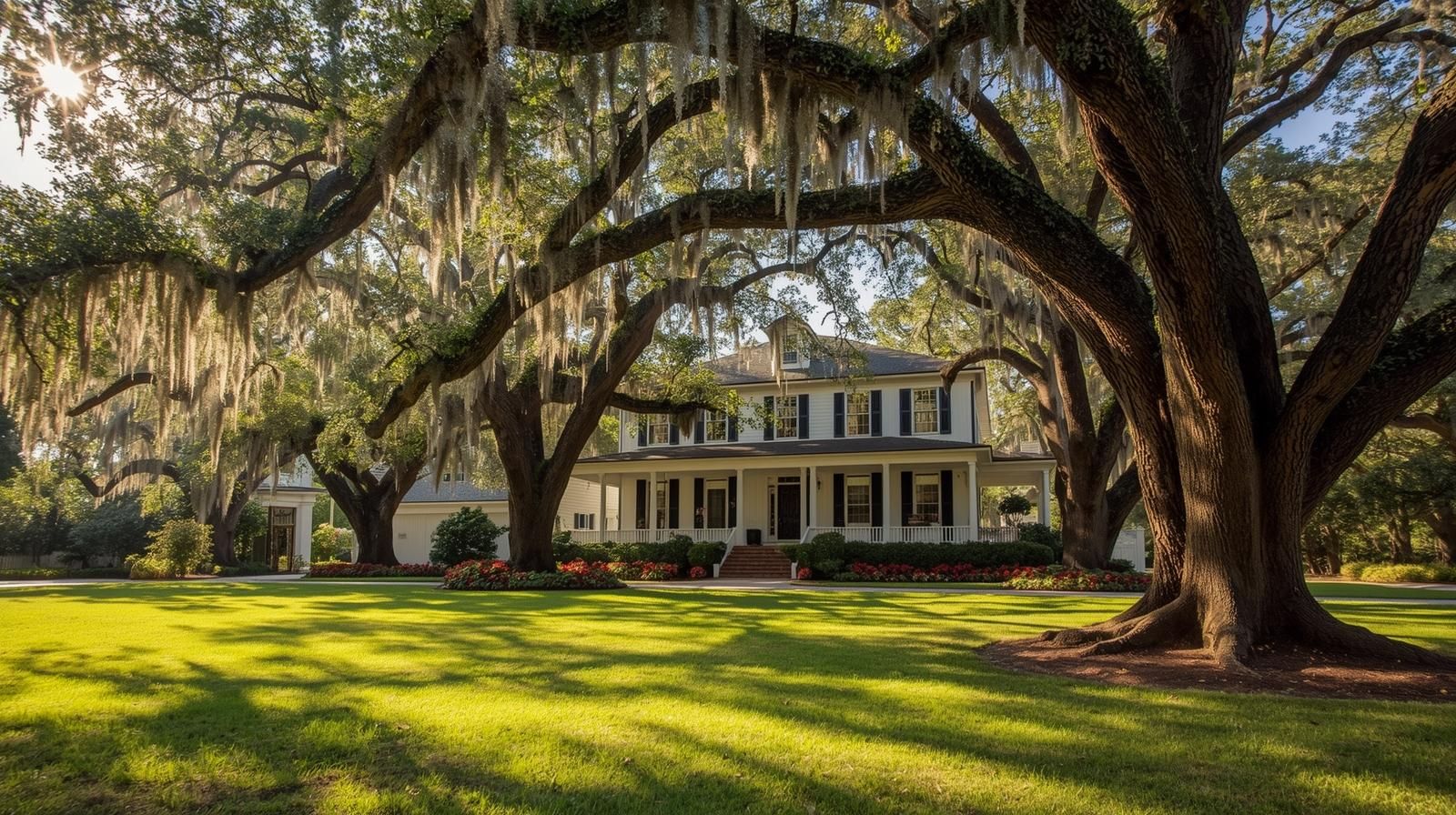
Section 1: The Foundation – Housing Costs in Summerville, SC
When relocating to Summerville, housing will undoubtedly be your largest monthly expense and the biggest factor in your overall cost of living. Unlike some markets, the cost here can vary significantly depending on the specific neighborhood, the age of the home, and whether the property falls under Dorchester, Berkeley, or Charleston County jurisdiction. We will break down what you can expect in today’s competitive real estate environment.
Current Market Dynamics: Median Home Prices and Trends
Summerville’s appeal has driven strong, consistent price appreciation over the past decade. It’s no longer the quiet suburb it once was; it’s a dynamic, sought-after market offering superior value compared to neighboring Charleston proper or Mount Pleasant. While prices fluctuate, understanding the current median home price gives us a crucial starting point for your budget.
As of our latest analysis of the market, the median sale price for a single-family home in the greater Summerville area hovers around the mid-$400,000s. This price point allows us to estimate a monthly principal and interest payment. For a buyer securing a mortgage with 20% down at current interest rates, this often results in a base mortgage payment well under the cost of similar properties closer to the coast.
However, price points vary dramatically based on the community. For example, homes in master-planned communities like Nexton or Carnes Crossroads, which offer extensive amenities and new construction, often command prices nearing the high-$500,000s or $600,000s. Conversely, established neighborhoods in older Summerville sections or areas further out in Dorchester County may offer attractive options in the high $300,000s.
Key Takeaway for Buyers: We advise our clients to secure pre-approval that allows for flexibility across this price spectrum. A successful bid in Summerville’s competitive environment requires being prepared to move swiftly on a home that offers superior long-term value, even if it is slightly above the median. Given the town’s continued population growth and economic development, we see home values maintaining their strength, making real estate here a solid long-term investment.
Property Taxes: Understanding the South Carolina 4% Rule
One of South Carolina’s most significant advantages for residents is its extremely favorable property tax structure for owner-occupied primary residences. This is a vital keyword for anyone moving here, and it dramatically lowers the real cost of homeownership compared to many states.
In South Carolina, a primary residence is assessed at 4% of its fair market value, while second homes and investment properties are assessed at 6%. When you purchase a home you intend to occupy, you must apply for the 4% legal residence assessment. This alone saves you thousands annually.
Specific Tax Rates (Millage Rates): The exact property tax bill will depend on the millage rate of your county (Dorchester, Berkeley, or Charleston) and the specific tax district (which includes local schools, fire, and municipal services). Generally, homes zoned for Dorchester County School District Two (DD2), often the most requested area, tend to have a slightly higher overall millage rate than some areas of Berkeley County.
For a home valued at $450,000, assuming the 4% owner-occupied assessment, we estimate the annual tax bill to fall roughly in the range of **$1,600 to $2,500**. This low figure, often under $200 per month, is a critical factor that makes homeownership highly accessible and affordable in Summerville compared to national averages. When we run a detailed Cost Analysis for our buyers, we provide the exact millage rate for the specific tax parcel.
Insurance and HOA Fees: Budgeting for Amenity-Rich Living
The Lowcountry’s proximity to water and its love for master-planned communities introduce two additional, essential housing costs: homeowner’s insurance and Homeowners Association (HOA) fees.
Homeowners Insurance: Standard hazard insurance here is competitive. However, in Summerville, it is crucial to understand if the home requires Flood Insurance. While much of the area is not in a high-risk flood zone, some pockets along waterways or low-lying areas may require it, which can add several hundred to over a thousand dollars to your annual premium. We always recommend our clients obtain quotes early and work with a local insurance agent who understands the SC coast.
HOA Fees: Many of Summerville’s most desirable communities, Nexton, Cane Bay Plantation, Summers Corner, and numerous others, are governed by HOAs. These fees are typically mandatory and cover shared amenities such as:
-
Pools and Amenity Centers
-
Playgrounds and Walking Trails
-
Common Area Landscaping
-
Neighborhood Security/Covenants Enforcement
These fees usually range from $50 to $150 per month, depending on the extent of the amenities offered. While it’s an extra cost, we view HOA dues as an investment in neighborhood consistency, long-term property values, and access to premium lifestyle features.
Renting vs. Buying: A Financial Comparison
For those considering a temporary move or waiting to buy, renting in Summerville offers a different cost structure. Rental rates have risen alongside home prices due to high demand.
Estimated Monthly Rental Cost:
-
Average 3-Bedroom Single-Family Home: $2,200 - $2,800
-
Average 2-Bedroom Apartment/Townhome: $1,600 - $2,200
When comparing the costs, we see that the all-in monthly cost of buying a median-priced home (including P&I, low SC property taxes, insurance, and HOA) often begins to equalize with, or even dip below, the cost of renting a similar-sized home. Furthermore, renting means giving up the significant long-term wealth accumulation afforded by the 4% tax rule and general market appreciation in this growing region. For our clients, we believe the cost of buying in Summerville offers superior long-term financial returns and stability.

Section 2: Beyond the Mortgage – Essential Monthly Expenses
With housing costs established, we move to the next layer of your budget: the necessary recurring expenses that keep your home running and your family fed. These costs are often regional and can surprise newcomers unfamiliar with South Carolina’s service providers or climate.
Utilities: Electricity, Water, and Climate Control
Summerville’s climate is characterized by mild winters and long, hot, humid summers, which means significant seasonal swings in utility costs driven primarily by air conditioning.
Electricity (Dominion Energy): This is typically your highest utility cost. The most crucial factor here is the age and energy efficiency of your home and HVAC system.
-
Summer Peak (June-September): For a 2,500 sq. ft. modern home, we often see bills ranging from $220 to $350 per month.
-
Winter/Shoulder Months: Bills drop significantly, often in the $100 to $180 range.
Water, Sewer, and Trash (Local Municipalities): Water and sewer service is provided by local water authorities (e.g., Summerville Commissioners of Public Works). These bills are relatively consistent and depend on usage.
-
Average Monthly Cost (Water/Sewer/Trash): $90 - $140 per month.
Natural Gas: Many newer homes use electric appliances. However, if your home has gas heating, water heater, or stove, this will be a factor. Gas usage is heaviest in the winter.
-
Average Monthly Gas Cost: $40 - $80 per month (higher in winter).
Internet and Cable: The Summerville area has competitive options from providers like Spectrum and AT&T Fiber (in select areas like Nexton). Fast, reliable fiber internet is available in many communities, which is a major advantage for remote workers.
-
High-Speed Internet Only: $70 - $100 per month.
Transportation and Commuting: Navigating the Tri-County Region
While Summerville is a bustling town in its own right, many residents commute to Charleston, North Charleston, or Joint Base Charleston (JBC). This commute time directly impacts your budget through gasoline, maintenance, and vehicle depreciation.
The Commute: The most challenging aspect is navigating I-26 during peak rush hours.
-
Summerville to Downtown Charleston: 45 minutes to over an hour during peak times.
-
Summerville to North Charleston/JBC: 25-40 minutes.
Gasoline and Vehicle Costs: Given the distance to major employment hubs, we budget for higher fuel costs than in city-center living. We find that the average two-car family commuting daily will spend between $300 and $500 per month on fuel alone. Furthermore, South Carolina’s low gas tax keeps pump prices competitive compared to many other states.
Automotive Insurance and Property Taxes: South Carolina requires annual vehicle property taxes to be paid before renewing your registration. This is an extra expense that catches many newcomers off-guard.
-
Vehicle Property Tax: Calculated based on the car's assessed value. For a newer car, this can be $300 to $500 annually per vehicle.
Groceries and Food Costs
Summerville offers extensive grocery options, from large national chains like Publix and Kroger to local, more budget-friendly stores. While grocery costs are generally in line with national averages, the availability of diverse and competitive options helps keep costs manageable.
Estimated Monthly Grocery Budget: For a family of four, we typically budget between $800 and $1,200 per month for groceries, depending on dietary preferences and reliance on organic/specialty foods.
Dining Out: The vibrant local culinary scene is a major part of the Lowcountry lifestyle, from casual Flowertown eateries to the world-class restaurants in Downtown Charleston. Dining out is an optional, but often appealing, expense. A typical dinner for two at a mid-range local restaurant (excluding alcohol) is generally around $60 - $90.
Healthcare and Insurance
Healthcare access in Summerville is excellent, with numerous primary care providers and facilities like Summerville Medical Center. Health insurance premiums and out-of-pocket costs will be determined by your employer or your private plan, not the location. However, we can confirm that the cost of living index for healthcare in Summerville is generally in line with the national average, making it a predictable part of your budget.
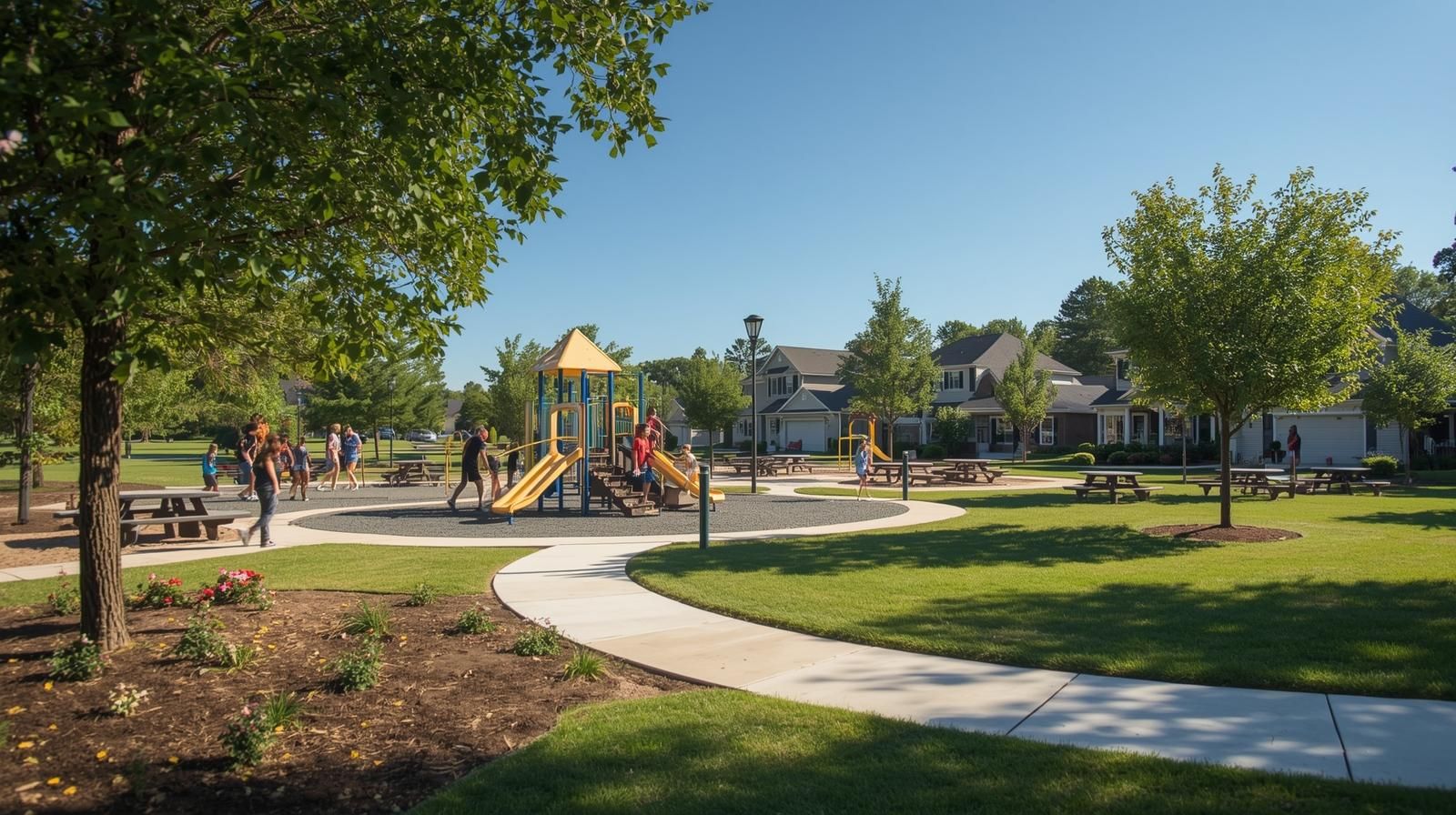
Section 3: The Lowcountry Lifestyle – Fun & Hidden Costs
A true cost-of-living analysis must account for the quality of life and the expenditures that define the local experience. Summerville offers an exceptional array of recreational and community-focused activities that enhance daily life.
State Taxes: Income and Sales Tax Snapshot
South Carolina is often noted for being a retirement-friendly state, thanks in part to its property tax structure and tax breaks on retirement income. For working families, here is a snapshot of the state tax landscape:
Income Tax: South Carolina has a progressive state income tax structure with a top marginal rate of 6.5%. This is something for high-earning individuals to factor in, particularly if relocating from a state with a lower or no income tax rate.
Sales Tax: The state sales tax is 6%. However, with local county add-ons (including the 1% sales tax in Dorchester County which helps fund local projects), the total sales tax rate in Summerville is currently 8%. We advise budgeting an extra 1-2% on major purchases compared to states with lower sales tax.
Retirement Income Tax: SC offers generous tax exemptions on retirement income (pensions, IRAs, 401(k)s) for residents aged 65 and older, making Summerville an increasingly attractive retirement destination for clients looking to maximize their post-career income.
Childcare and Education Expenses
Summerville is famous for its highly rated public schools, primarily located in the Dorchester School District Two (DD2) area. Access to these schools is a major driver for our real estate market and provides significant value to families. For many of our clients, the quality of DD2 public schools is one of the biggest savings when comparing Summerville to other metro areas that might require private education for a similar experience.
Childcare: As with most suburban areas, quality childcare is a considerable expense. Waiting lists are common for top-tier daycare centers, and costs can be substantial.
-
Full-Time Infant/Toddler Daycare: $950 to $1,300 per month per child.
Higher Education: Summerville is conveniently located near various higher education institutions in the Charleston area, keeping commuting costs low for local students.
Entertainment and Recreation: The Lowcountry Lifestyle
The lifestyle here offers incredible value, with countless activities that are free or low-cost. We encourage our clients to embrace the outdoor, community-focused life that Summerville provides.
-
Free or Low-Cost Activities: Access to numerous public parks, walking trails, and the popular Sawmill Branch Trail. The iconic Flowertown Festival and local farmers’ markets are free to attend and are hallmarks of life here.
-
Beach Access: While not directly on the coast, Summerville is only about a 45-minute drive to local beaches like Isle of Palms or Folly Beach. The only recurring cost is typically parking or an occasional bridge toll. We feel the cost of living tradeoff—lower housing costs in Summerville for a manageable drive to the beach—is an exceptional value proposition.
-
Gym Memberships: Standard gym or fitness center memberships in the area range from $40 to $80 per person per month.
Home Maintenance and Renovation Costs
As a team with experience in home design and contracting, we know that home maintenance must be included in your budget.
Climate-Related Maintenance: The humid climate and proximity to the coast necessitate regular maintenance to prevent mold/mildew and address HVAC wear. We recommend annual HVAC servicing and pressure washing. We typically advise our buyers to budget 1% to 2% of the home's value annually for maintenance, repairs, and capital improvements. For a $450,000 home, this is $4,500 to $9,000 per year, or roughly **$375 to $750 per month**, to be saved for future needs.
Conclusion: Summerville Offers Value, Not Just Low Cost
When we look at the total financial picture, the mortgage, the low property taxes, the utilities, and the lifestyle expenses, we see that the real cost of living in Summerville, SC, is an exceptional investment in your family’s future and quality of life. You are not sacrificing quality for affordability; you are simply getting more home, better schools (DD2), and a more vibrant community for your money compared to many other comparable metropolitan suburbs nationwide.
We know that navigating all these variables, from millage rates in Dorchester County to the price of a townhome in Nexton, can feel overwhelming. That’s why we are here, dedicated to using our local expertise and data-driven approach to ensure your move to the Lowcountry is as financially sound as it is exciting. We are ready to be your local resource and trusted partner in finding your perfect place in the Flower Town in the Pines.
Your Next Steps: Let's Build Your Summerville Life
Ready to transform this budget breakdown into a personalized home search strategy? We’ve prepared several in-depth guides to help you take the next step.
Don't just analyze the cost of living; visualize your life here. Contact us today for a one-on-one consultation, and let us put our local expertise to work for you!
Related Resources:
Frequently Asked Questions
1. How much lower are South Carolina property taxes compared to other states?
South Carolina property taxes for a primary residence are drastically lower than many northern and western states due to the 4% legal residence assessment ratio. This 4% rate is applied to the fair market value, and combined with competitive millage rates, results in an annual tax bill that is often 50% to 75% less than equivalent homes in high-tax states. For many families, this translates into savings of thousands of dollars per year, dramatically increasing your purchasing power and overall affordability. We always help our clients apply for this essential exemption immediately after closing.
2. Is flood insurance mandatory in Summerville, and what does it typically cost?
Flood insurance is only mandatory if your specific property is located within a designated high-risk flood zone according to FEMA maps, which is true for a minority of Summerville homes. Most properties are outside these zones, meaning only standard hazard insurance is required by your lender. However, even if it is not mandatory, some clients choose to purchase a policy for peace of mind, with non-mandatory policies often costing less than mandatory ones. We work with local insurance partners to determine your exact flood zone status and provide tailored quotes immediately.
3. What are the primary differences in cost of living between Summerville and Downtown Charleston?
The primary cost difference is housing, where Summerville offers significantly greater affordability and square footage per dollar compared to the highly desirable, historic Downtown Charleston peninsula. While utility and grocery costs are comparable, the average home price in Summerville is often less than half that of a comparable home in Downtown Charleston or Mount Pleasant. This substantial housing cost advantage in Summerville makes the longer commute a worthwhile financial tradeoff for many of the families and professionals we assist.
4. What impact do HOA fees have on my total monthly budget in the newer communities?
In newer communities like Nexton or Cane Bay Plantation, HOA fees are mandatory and are crucial to budgeting, typically adding $50 to $150 to your monthly expenses. These fees are not just an extra charge; they cover the maintenance of the extensive, high-quality amenities that define these communities, such as pools, clubhouses, common area landscaping, and play areas. They are an investment that helps maintain consistent property values and provides access to a superior, organized neighborhood lifestyle. We make sure you fully understand the HOA documents and associated costs before making any offer.
5. How quickly are homes selling in Summerville, and how does that affect my budget planning?
Homes in desirable Summerville neighborhoods, particularly those zoned for DD2 schools, are selling relatively quickly, with the average days on the market remaining competitive. This speed necessitates that you complete all your financial planning, including firm pre-approval and a detailed budget breakdown, before beginning your active home search. A fast market can affect your budget by limiting your ability to negotiate for seller credits or repairs, so we ensure our clients' budgets are robust enough to cover closing costs and initial maintenance without relying on concessions.
Categories
- All Blogs (98)
- Cost of Living in Summerville SC (21)
- Cost of Selling or Buying a Home (23)
- Downtown Summerville SC (6)
- Estate Planning (8)
- Freebie (2)
- Golf in Summerville SC (2)
- Guides (16)
- Job Opportunities in Summerville SC (1)
- Lifestyle and Culture (22)
- Market Trends (3)
- Nearby Areas & Comparison Guides (16)
- Neighborhoods in Summerville SC (25)
- PCSing to Charleston - Military Guidance (12)
- PCSing to Charleston SC (22)
- Property Taxes in Summerville SC (6)
- Relocation Questions & Miscellaneous Topics (37)
- Retire in Summerville SC (5)
- Schools in Summerville SC (12)
- The Inspection Files (4)
- Things to do in Summerville SC (6)
Recent Posts